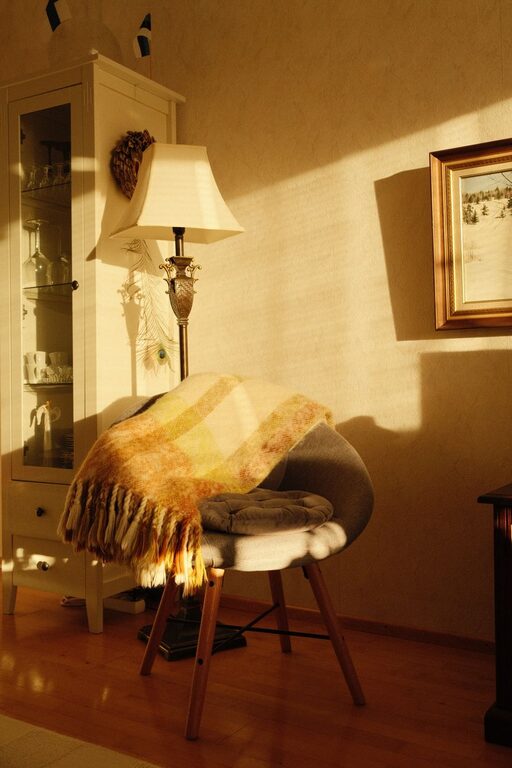

Creating a relaxing home office space can make a significant difference in your workday, whether you’re working full-time from home or just need a quiet spot for occasional tasks. A thoughtfully designed workspace not only boosts productivity but also helps reduce stress and maintain a healthy work-life balance. Here are some helpful tips to create a home office environment that feels comfortable, inviting, and conducive to focused work.
1. Choose the Right Location
Selecting the ideal spot for your home office is the first step toward creating a relaxing workspace.
– Natural Light: Pick a space near a window to take advantage of natural light. Sunlight can lift your mood and reduce eye strain.
– Quiet Area: Choose a part of your home with minimal noise and distractions. This helps maintain focus and reduces interruptions.
– Separate Space: If possible, use a separate room or a dedicated corner to create a clear division between work and home life.
2. Focus on Ergonomic Comfort
Taking care of your body is essential for long-term comfort and productivity.
– Ergonomic Chair: Invest in a chair that offers good lumbar support and adjustable features.
– Desk Height: Your desk should allow your arms to rest comfortably at a 90-degree angle when typing.
– Monitor Position: Place your computer monitor at eye level to avoid neck strain.
– Footrest and Accessories: Use a footrest or wrist supports if needed to maintain a neutral posture.
3. Use Calming Colors and Decor
Colors can influence your mood and mindset in subtle but powerful ways.
– Soft Colors: Incorporate calming shades like light blues, greens, or neutrals to create a soothing atmosphere.
– Personal Touches: Add artwork, plants, or decor that you find inspiring and relaxing, but keep it minimal to avoid clutter.
– Declutter: Keep your workspace tidy and organized, which can help reduce stress and distractions.
4. Optimize Lighting
Good lighting is crucial for your comfort and productivity.
– Layered Lighting: Combine natural light, overhead lights, and task lighting to balance brightness.
– Adjustable Lamps: Use desk lamps with adjustable brightness to reduce eye fatigue.
– Avoid Glare: Position screens and lights to prevent glare that can cause strain.
5. Incorporate Nature
Bringing elements of nature into your office can promote relaxation and creativity.
– Indoor Plants: Choose easy-care plants like succulents, pothos, or snake plants to freshen the air and add life to your space.
– Natural Materials: Wood, stone, or woven textures create a warm, grounding environment.
– Views of Outdoors: If possible, arrange your desk to face a pleasant view, which can help calm your mind.
6. Control Noise Levels
Noise can be a major distraction, so managing sound is important.
– Noise-Canceling Headphones: Use these if you live in a noisy environment.
– Soft Furnishings: Rugs, curtains, and upholstered furniture can absorb sound and reduce echo.
– White Noise Machine: Consider using ambient sounds or white noise to mask disruptive background noise.
7. Personalize Storage Solutions
Keeping your office organized promotes productivity and lowers stress.
– Functional Furniture: Use shelves, filing cabinets, or storage bins that suit your needs.
– Labeling: Label drawers and containers for quick access to supplies.
– Regular Clean-Up: Schedule time to declutter and reorganize, maintaining a neat workspace.
8. Set Boundaries and Routine
Creating a relaxing home office also involves mindset and habits.
– Work Hours: Establish clear work start and end times to avoid burnout.
– Breaks: Take regular short breaks to stretch, hydrate, or relax your eyes.
– Separation: Close your office door or pack away work materials at the end of the day to mentally disconnect.
9. Add Soothing Scents and Sounds
A pleasant sensory atmosphere can help you stay calm and focused.
– Aromatherapy: Use essential oils like lavender or eucalyptus with a diffuser.
– Calm Music: Play instrumental or nature sounds to create a peaceful ambiance.
– Avoid Overstimulation: Keep scents and sounds subtle to prevent distraction.
10. Maintain Flexibility and Comfort
Your needs may change, so keep your workspace adaptable.
– Adjustable Furniture: Use sit-stand desks or flexible seating to move comfortably throughout the day.
– Comfort Items: Keep a cozy blanket or cushion nearby.
– Rearrangee: Occasionally refresh your setup to keep the space inspiring.
—
Creating a relaxing home office is about blending functionality with comfort. By paying attention to your environment, your body’s needs, and your daily routine, you can build a space that supports your work and wellbeing. Try incorporating these tips one step at a time and personalize your office to fit your own style and work habits. With a calming and organized workspace, your productivity and mood are sure to improve.