
Creating a relaxing home office environment is essential for maintaining focus, reducing stress, and boosting productivity. Since many people now work remotely or spend significant time at home, designing a workspace that feels calm and inviting can make a big difference in daily comfort and effectiveness. This article shares practical tips to help you create a home office that supports both your work and your well-being.
1. Choose the Right Location
Selecting the ideal spot for your home office is the first step in building a relaxing environment.
– Separate from distractions: If possible, pick a quiet area away from noisy rooms like the kitchen or living room.
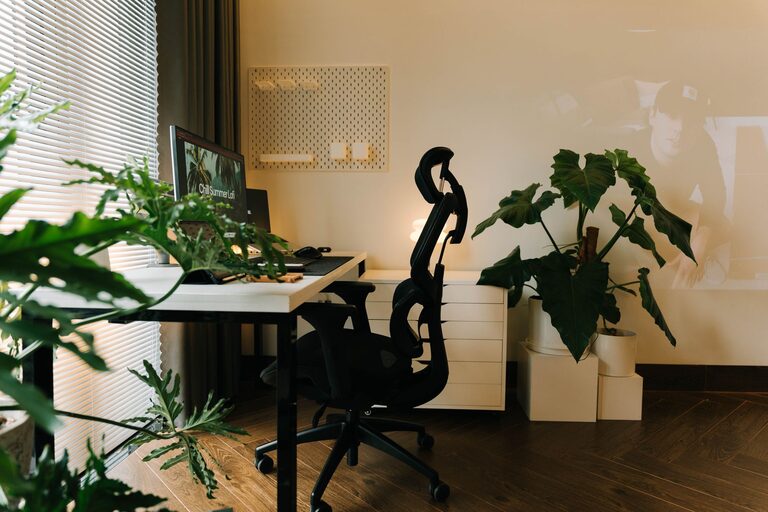
– Natural light: Locate your desk near a window to benefit from natural light, which helps improve mood and reduce eye strain.
– Space considerations: Ensure you have enough room for your desk, chair, and storage without feeling cramped.
2. Invest in Comfortable Furniture
Comfort is key to staying relaxed and focused throughout the day.
– Ergonomic chair: Choose a chair with good lumbar support that encourages proper posture.
– Adjustable desk: Consider a height-adjustable desk to alternate between sitting and standing.
– Desk space: Make sure your desk is spacious enough to hold all necessary equipment without clutter.
3. Declutter and Organize
A tidy space feels more peaceful and allows you to concentrate better.
– Storage solutions: Use shelves, drawers, or cabinets to keep supplies and documents organized.
– Cable management: Use clips or cable organizers to keep cords neat and out of the way.
– Daily tidy-up: Spend a few minutes each day clearing your workspace to maintain order.
4. Use Calming Colors and Decor
Colors and decor can impact your mood and help create a soothing atmosphere.
– Soft colors: Choose neutral or pastel shades like soft blues, greens, or greys for walls and accessories.
– Personal touches: Add calming elements such as plants, artwork, or meaningful objects that help you relax.
– Minimalism: Avoid overcrowding your workspace with too many items or distractions.
5. Optimize Lighting
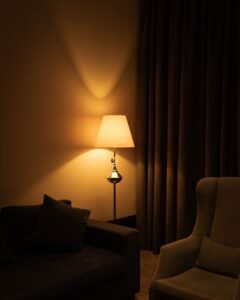
Proper lighting reduces eye strain and creates a pleasant environment.
– Layered lighting: Combine natural light with ambient overhead lighting and task lighting at your desk.
– Adjustable desk lamps: Use lamps that provide focused light and can be dimmed or angled as needed.
– Avoid glare: Position screens and lights to minimize glare and reflections.
6. Incorporate Plants
Indoor plants are an excellent way to improve air quality and add a touch of nature.
– Easy-care plants: Choose low-maintenance varieties like succulents, snake plants, or pothos.
– Placement: Position plants near your workspace but not so close that they clutter your desk.
– Benefits: Plants can reduce stress and increase feelings of well-being.
7. Control Noise Levels
Minimizing disruptive sounds will help you focus better.
– Soundproofing materials: Use rugs, curtains, or acoustic panels to absorb noise.
– White noise machines: Consider gentle background sounds or white noise to mask distractions.
– Noise-canceling headphones: Use headphones to listen to music or block out background noise.
8. Personalize Your Workspace
A space that reflects your personality can promote comfort and creativity.
– Inspirational quotes: Display motivational messages or images that encourage positivity.
– Organizers and accessories: Use colorful or stylish office supplies that you enjoy looking at.
– Comfort items: Incorporate a cozy blanket, a soft cushion, or a favorite mug.
9. Maintain Proper Ventilation and Temperature
The right air quality and temperature keep you comfortable and awake.
– Fresh air: Open windows when possible or use an air purifier.
– Temperature control: Use fans, space heaters, or thermostats to keep the room comfortable.
– Avoid stuffiness: Proper ventilation helps prevent fatigue and headaches.
10. Establish a Routine
Finally, creating a relaxing home office also involves how you use the space.
– Regular breaks: Schedule breaks to stand, stretch, or step outside for fresh air.
– Set boundaries: Define work hours and try to separate your office time from personal time.
– End your day with a ritual: Close your laptop, turn off lights, or tidy up to signal the end of work.
—
By following these tips, you can transform your home office into a calm, comfortable workspace that supports both productivity and relaxation. Remember that small changes to your environment can have a big impact over time, helping you feel more focused and less stressed throughout your workday.